How Many Days In Zion Is Enough?
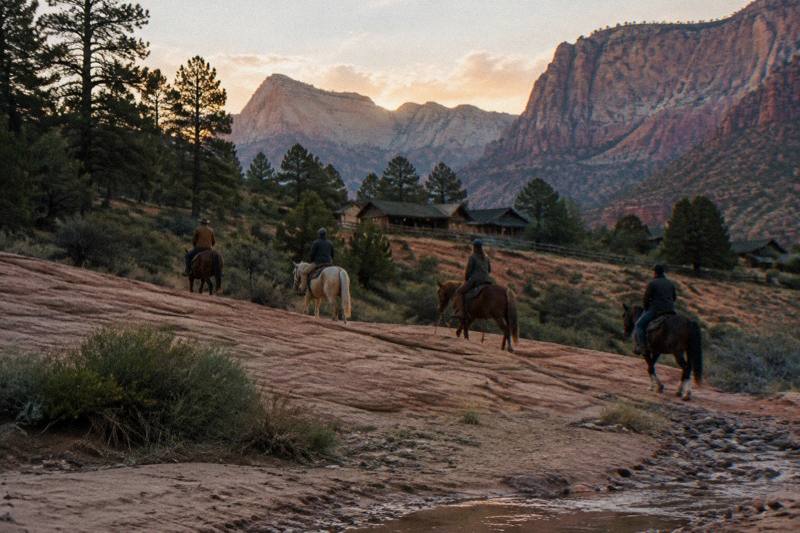
Short answer by trip style, and where a horseback ride fits: how many days in Zion is enough for one day, two days, three or more.
How Long Should You Stay In Zion?
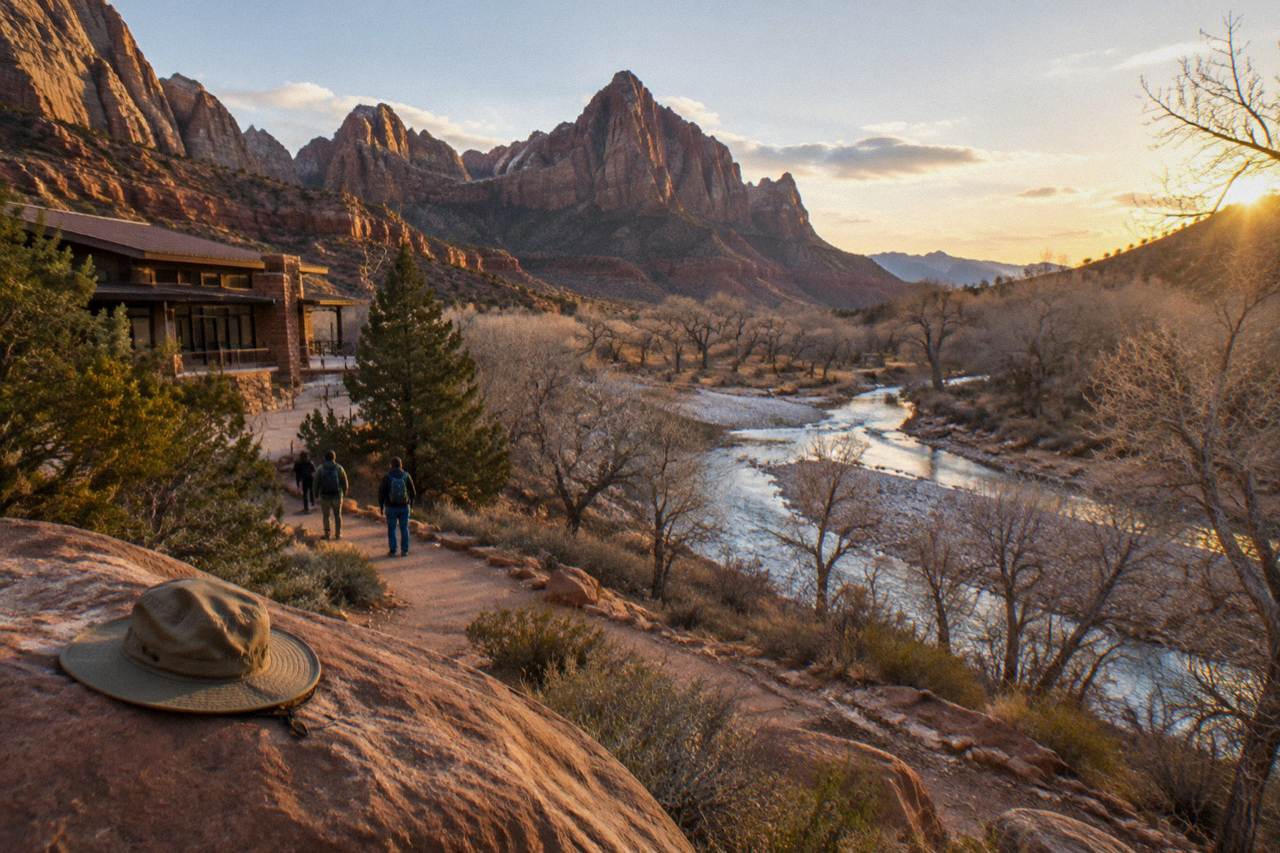
Two days is enough for most visitors: one for the Zion Canyon scenic drive and the marquee hikes, one for the east side or a quieter corner like Kolob Canyons. One compressed day covers the highlights, while three or more days let you add experiences most day-trippers skip, such as a horseback ride outside the park or a sunrise viewpoint. Trip style, not the park itself, sets the number.
The honest answer depends on what kind of trip you are building. Zion National Park is open 24 hours a day, seven days a week, year-round, according to the National Park Service hours page, so the constraint is never access. The constraint is the shuttle, the parking, and how much standing in line your group will tolerate before the vacation stops feeling like one.
Consider the shape of a visit. Zion Canyon, the part most people picture, is a single dead-end valley served by a mandatory shuttle for much of the year. The east side of the park, reached through the Zion-Mt. Carmel Highway tunnel, is a different world of slickrock domes and pull-outs that you drive yourself. Kanab, the Grand Staircase, and the bison country around Mt Carmel sit outside the gates entirely. Each of those zones wants half a day at minimum, and each rewards a full one.
There is also a psychological dimension that no mileage table captures. A one-day visit runs on a clock; every stop is measured against the next queue. A three-day visit lets you walk back to a viewpoint you liked, sit through an afternoon thunderstorm, or change a plan when a trail closes. Riders who add a horseback ride to a one-day itinerary report feeling rushed; riders on three-day trips describe the same hour-long ride as the memory of the trip. Same saddle, same horse, different day count behind it.
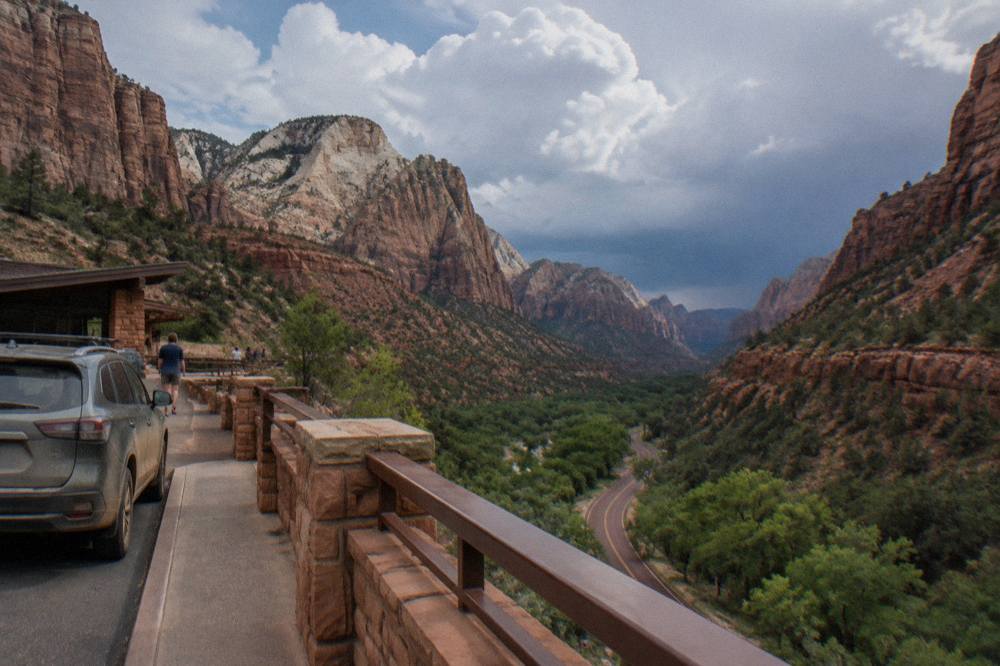
This is also where horseback riding enters the arithmetic. The rides near Zion are short, mostly one to one and a half hours, which makes them the kind of activity that fits a second or third day rather than competing with your Angels Landing permit window. The East Zion White Mountain ride, an hour-long trip from Orderville that finishes with a short hike into a slot canyon, is rated 4.8 across 506 reviews and runs from $75 per person, and it sits barely fifteen minutes from the park's east entrance. A ride like that does not consume a day. It upgrades one.
For readers planning the itinerary itself, the deeper comparison of in-park and outside-park rides lives in our guide to horseback riding in Zion National Park, and the homepage ride picker sorts the same question in three clicks.
What Can You Actually Fit Into One Day In Zion?
One focused day covers the Zion Canyon shuttle, one major hike, and the drive through the east tunnel before dark. It works only with an early start, because summer parking fills by mid-morning and the shuttle lines grow through the day. What one day cannot absorb is anything outside the canyon, including a trail ride, so treat it as a sampler rather than the full park.
The single-day visitor needs to be ruthless. Arrive before the visitor center lot fills, ride the first shuttle up the canyon, and pick one long objective, whether that is the Riverside Walk, Emerald Pools, or a permitted hike to Scout Lookout. The information desk at the Zion Canyon Visitor Center runs 8 am to 5 pm and the park store until 7 pm, per the NPS facilities listing, so morning logistics are easy if you beat the crowd.
The numbers argue for the early alarm. The NPS seasons page notes that all available parking in Zion is often full by 9 am in summer, a season that regularly tops 100°F and brings roughly half a million visitors per month. A one-day trip that starts at 10 am in July is mostly a shuttle-queue experience. Even in the shoulder months, the canyon's most popular stops thin out after mid-afternoon, which is why savvy one-day travelers front-load the marquee sights and save the drive-through scenery for the golden hours when the rock photographs best.
| Time block | Realistic one-day plan | Constraint |
|---|---|---|
| 7:00 to 8:30 am | Park, visitor center, first shuttle up canyon | Parking fills by about 9 am in summer |
| 8:30 am to 12:00 pm | One main hike or riverside walk | Heat builds through late morning |
| 12:00 to 1:30 pm | Lunch at Zion Lodge or a canyon stop | Shuttle runs about every 5 to 10 minutes |
| 1:30 to 4:00 pm | Second shorter stop, museum, or east-side drive | Private vehicles cannot use the scenic drive in shuttle season |
| 4:00 pm onward | Drive SR-9 through the tunnel to the east side | Tunnel traffic slows at peak times |
One day also forces a choice about riding. If a horseback ride is non-negotiable, the in-park concessioner rides, when running in season, or an early-morning east-side ride can substitute for a canyon morning. The Kanab Cave Lakes Canyon ride, about 1.5 hours from Kanab and rated 4.9 across 122 reviews, from $105 per person, pairs naturally with a day that ends with the drive toward Bryce. Check availability if that shape fits, and read the companion piece on horseback riding in Kanab for the fuller picture.
The single-day visitor who wants the White Mountain slot canyon ride can make it work, but the arithmetic is tight: the ride departs from Orderville on the east side, so it belongs after the tunnel drive, not before it. An hour of riding plus check-in time plus the walk into the slot canyon consumes the better part of a late afternoon. It is doable in long summer daylight; in November's earlier dark it collides with the drive out.
Is Two Days The Sweet Spot For Zion?
Two days is the length most itineraries converge on: day one for Zion Canyon and its shuttle-served trails, day two for the east side, a longer hike, or an activity such as a guided ride. Two days also buffer you against the two most common trip-killers, a full parking lot and a shuttle schedule you misread. It is the shortest length that feels unhurried.
The two-day split works because the park's geography does. Day one belongs to the canyon: the shuttle, the narrows-adjacent river walk, the lodge, the museum. Day two belongs to you: the east side's pull-outs, Kolob Canyons to the northwest, or the country just outside the boundaries where most of the region's riding actually happens.
The split also protects your best energy. The canyon's headline hikes deserve fresh legs and a first shuttle, which means an early night before. Day two can start later, move at a family pace, and end with something the shuttle system cannot deliver, like an evening on horseback as the sandstone goes orange. Two days is the first length at which the trip stops being an execution problem and starts being a vacation.
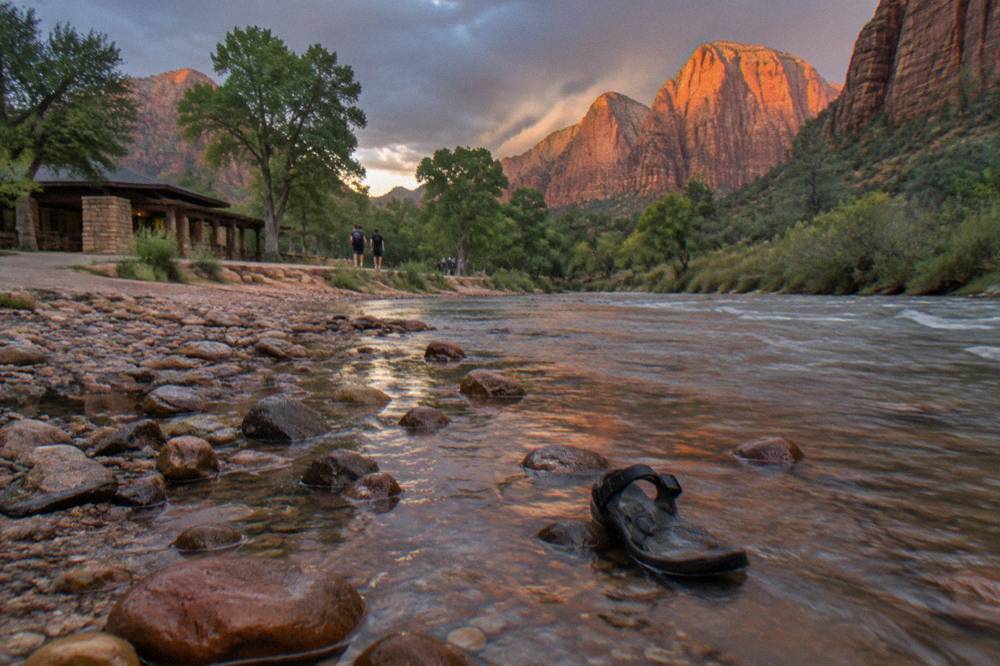
This is the natural slot for a horseback ride. The Juniper Ridge bison preserve ride, an hour from Mt Carmel from $68 per person, loops a working bison preserve with views toward Zion and the Grand Staircase, and the listing notes distant Bryce Canyon sightlines on clear days. Because it is short, it leaves the rest of day two free for the east-side drive or a canyon return trip. If those far-off Bryce views tempt you to add the park to your itinerary, this breakdown of whether Zion and Bryce can share a single day sorts out the drive, the shuttles and entry fees, and where a ride like this fits.
Shuttle mechanics matter here more than most first-time visitors expect. The NPS states plainly that no reservation, permit, or ticket is needed to ride the shuttle, that canyon shuttles arrive roughly every 5 to 10 minutes, and that during shuttle season private vehicles cannot drive the Zion Canyon Scenic Drive at all, while the Zion-Mt. Carmel Highway stays open to cars. The published schedule shifts through the fall, with earlier last departures in late October, and the NPS shuttle page carries the note that the schedule is subject to change. Checking it the night before is a two-minute task that saves a stranded evening, and on a two-day trip you have the slack to absorb a surprise anyway.
Entrance fees behave the same way on any length of trip, but they nudge the math toward longer stays: a standard private-vehicle pass runs $35 and stays valid for one to seven days, per the NPS fees page. A one-day visit pays the same pass price as a four-day visit, which is one quiet argument for stretching the stay.
How Do Three Days Change The Trip?
Three days convert Zion from a checklist into a region: canyon day, east-side day, and a third for Kanab, the Grand Staircase, or a sunrise activity. Three days also absorb the extras one and two-day trips skip, including longer rides, evening programs, and the fallback plan when weather closes a trail. The third day is where flexibility lives.
The third day is also insurance. Slot canyons and river routes close when flash flood risk rises, and trails periodically shut for rockfall repairs; the general rule is simply that conditions change and the NPS conditions page is the live source. A two-day itinerary that loses a morning to a closure loses half the trip. A three-day itinerary shrugs.
Day three's best uses, ranked by how often riders tell us they wish they had done them:
| Day-three option | Time needed | Best for |
|---|---|---|
| Kanab and Cave Lakes Canyon ride | Half day plus drive | Canyon-country riding, 1.5 hours |
| Sunrise horseback ride from Mt Carmel | Early start, about 1 hour | Photographers, heat-avoiders, from $85 per person |
| Checkerboard evening ride at East Zion | About 1.5 hours at sunset | Golden-hour light |
| Kolob Canyons section of the park | Half day | Quiet trails away from the main canyon |
| Return to a favorite canyon stop | Flexible | Families with young kids or slow mornings |
The sunrise option deserves its line. Summer heat regularly exceeds 100°F in the canyon, per the NPS seasons page, and a ride that starts at dawn sidesteps both the heat and the crowds. The East Zion sunrise ride, about an hour from Mt Carmel from $85 per person, lists panoramic Grand Staircase views, the park's East Gate, and distant Bryce Canyon among its sights.
Where Does A Horseback Ride Fit Into A Zion Itinerary?
Rides fit the gaps: a sunset ride on day one or two evening, a sunrise ride on any morning, and a longer canyon ride on day three. Most rides near Zion run one to one and a half hours, so they pair with, rather than replace, a park day. Booking the ride for the day you are already on the correct side of the tunnel eliminates most of the driving.
Geography does the scheduling for you. East Zion Adventures departs from the east side near Orderville, which you will drive through anyway if you enter or exit via the tunnel. The Rove & Ramble rides, including the Juniper Ridge bison preserve loop and the kids' options, stage from Mt Carmel, minutes from the east entrance. Kanab sits under an hour further east, on the road to Bryce. Nothing here requires backtracking into Springdale.
That last point is worth pausing on, because it inverts what most first-time visitors assume. People picture horseback riding as something that happens inside the canyon, alongside the river, and plan accordingly, blocking half a day for a corral near the lodge. In practice the rides we compare all stage from the east side and beyond, which means they bolt onto the part of a Zion trip that travelers usually treat as dead time: the drive in, the drive out, and the evening after the shuttle stops running.
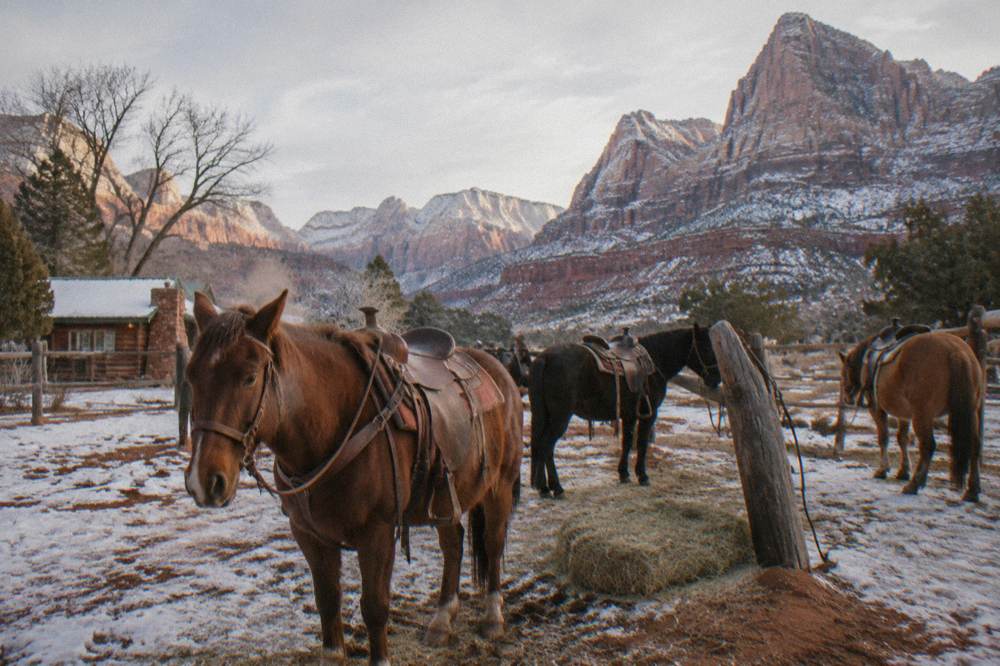
Evening is the strongest slot for a first ride. The Checkerboard evening ride at East Zion runs about 1.5 hours toward sunset, is rated 4.7 across 46 reviews, and costs from $89 per person. Pairing it with a canyon day means you ride as the tour buses empty out and the light goes long across the Checkerboard Mesa country. Meeting details arrive with the booking confirmation, so there is nothing to coordinate in advance beyond showing up on time.
Families with small children get a neat trick from the same corner of the map. The Little Wrangler ride is a 15-minute, hand-led loop for kids from age 3, from $32 per person, staged from the same Mt Carmel ranch as the longer Rove & Ramble rides. Parents can ride Juniper Ridge while a wrangler leads the youngest around the cabin loop, or simply book the short ride as a child's first saddle time without committing an afternoon. Minimum ages across the lineup run 3 for the hand-led ride and 8 for the White Mountain tour; the others list no minimum age.
One planning caution, stated the way the operators state it: conditions vary. Bison sightings on the preserve rides are a chance, not a guarantee, and heat, rain, and trail conditions shape every departure. The booking page for each ride is the authority on the day's plan.
What Changes With The Seasons And The Crowds?
Crowd patterns, not daylight, set the real calendar: June runs about 1.5 times the park's average monthly visitation while January sits near 0.3 times, so the same two-day itinerary feels completely different by month. Shoulder months stretch short trips, summer punishes late starts, and winter trades crowds for colder mornings and reduced services. Match your day count to your month.
The park itself never closes; the NPS hours page states it is open 24 hours a day, year-round. What changes is everything around the entrance. Summer brings the heat, the monsoon flash-flood season from July through September, and parking that fills by 9 am. Fall brings color to the canyon by late October and early November, thinner shuttle frequencies, and riding weather most horseback guests describe as ideal. Spring brings wildflowers and thaw-related trail closures for stock, and winter brings quiet.
The visitor-volume shape matters for the day-count question in a direct way. If you travel in June, add a day purely as crowd insurance. If you travel in January, a single day may genuinely suffice, because you can park, move through stops without queueing, and enjoy canyon light that arrives hours later in the morning. Shoulder-season travelers land in between: April, May, September and October combine full services with thinner lines, which is precisely why so many riding guests book those months.
For riders, the seasonal note is simple: the in-park concessioner season typically runs mid-March through late October, as the NPS horseback riding page describes. Winter riders should expect layers, and the same page's monsoon caution applies to slot canyon segments on rides like the White Mountain trip after heavy rain.
Whether one park is even the right frame for your days is its own question; our comparison of Zion versus Bryce Canyon horseback riding covers the two-park week, and the report on whether Zion or Bryce is nicer takes the scenic view.
The choice of days, at bottom, is a choice about what you want to remember. The canyon will be there in any case. The sunrise ride across the Grand Staircase, the bison on the ridge at golden hour, and the short slot canyon at the end of a horse trail only happen on the days you set aside for them. Zion Horseback Tours exists to help you place those hours well.
Common Questions About Days In Zion
How many days in Zion is enough?
Two days is enough for most trips: one for Zion Canyon and the shuttle-served highlights, one for the east side or an added activity such as a one-hour horseback ride. Travelers who want sunrise rides, Kanab, or a Bryce pairing benefit from a third day.
Is one day in Zion worth it?
Yes, with an early start. One day covers the canyon shuttle, one major hike, and the east-side drive, but it leaves no room for trail rides or the quieter sections of the park. Arrive before parking fills, often by 9 am in summer.
Can you do Zion and Bryce in one day?
It is possible to see highlights of both in one very long day, but two to three days split across the parks is the realistic version. The Kanab Cave Lakes canyon ride sits roughly on the route between them.
Where does a horseback ride fit into a Zion itinerary?
Rides fit the edges of the day: sunset rides like the Checkerboard evening ride on a canyon day, or a sunrise ride from Mt Carmel before the heat. Most rides run about one to 1.5 hours, so they pair with a park day rather than replacing it.
Does the shuttle change how many days I need?
It can. During shuttle season private vehicles cannot drive the Zion Canyon Scenic Drive, and last departures move earlier in late fall. The NPS notes the schedule is subject to change, so a misread schedule can cost an evening; a second day absorbs that risk.
What is the quietest month to visit Zion?
January runs at roughly 0.3 times the park's average monthly visitation, making it the quietest month. June is the busiest at about 1.5 times average. Shoulder months balance thinner crowds with full services.